Certified Safe Technician · San Antonio, TX

Safe Opening in San Antonio — By a Certified Safe Technician

Forgot the combination? Dead keypad? Inherited a safe nobody has the code for? We open residential safes and gun safes without destroying them, then repair the lock so your safe keeps working.

One call, one photo, and you’ll know what it takes and what it costs.

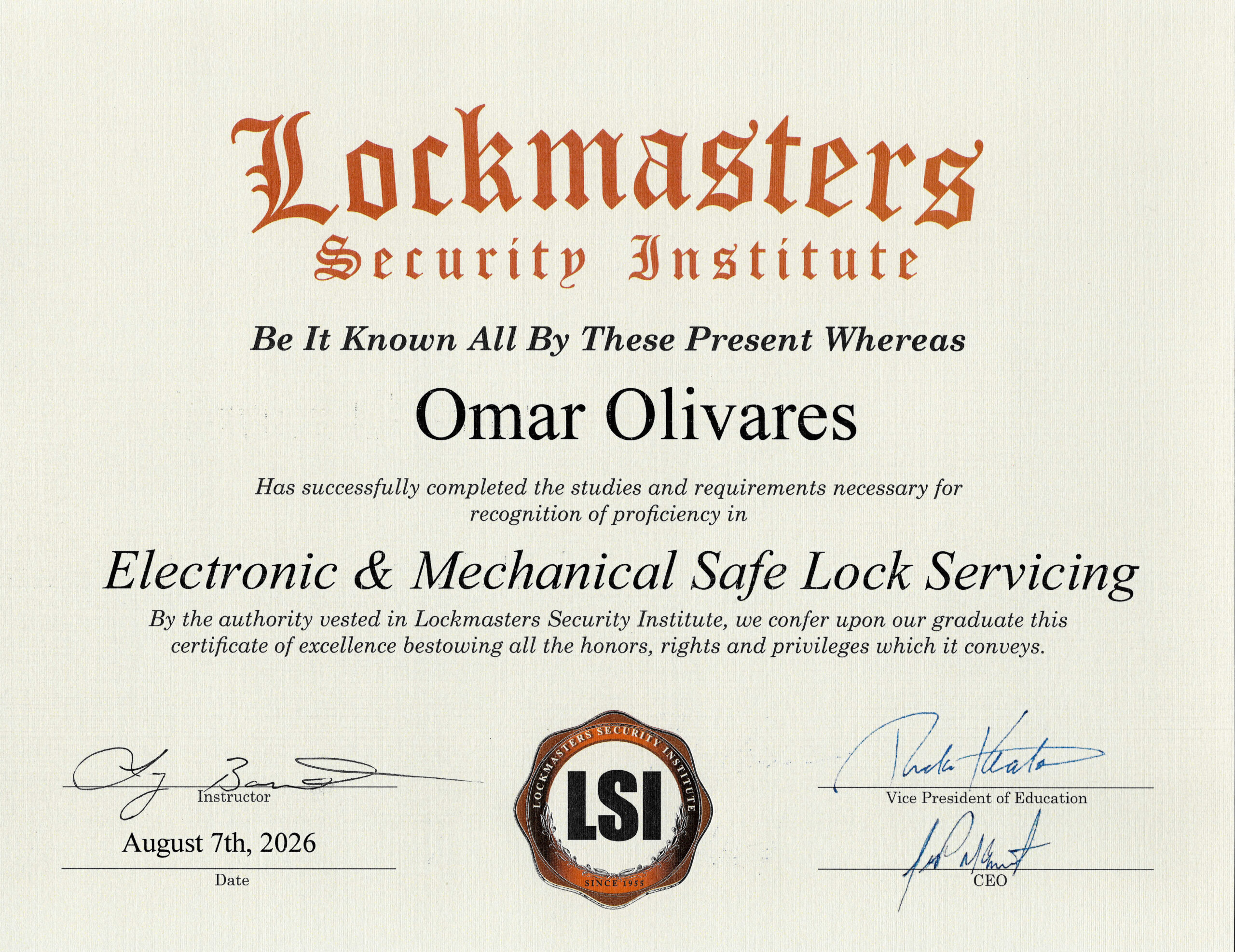
Certified Safe Technician
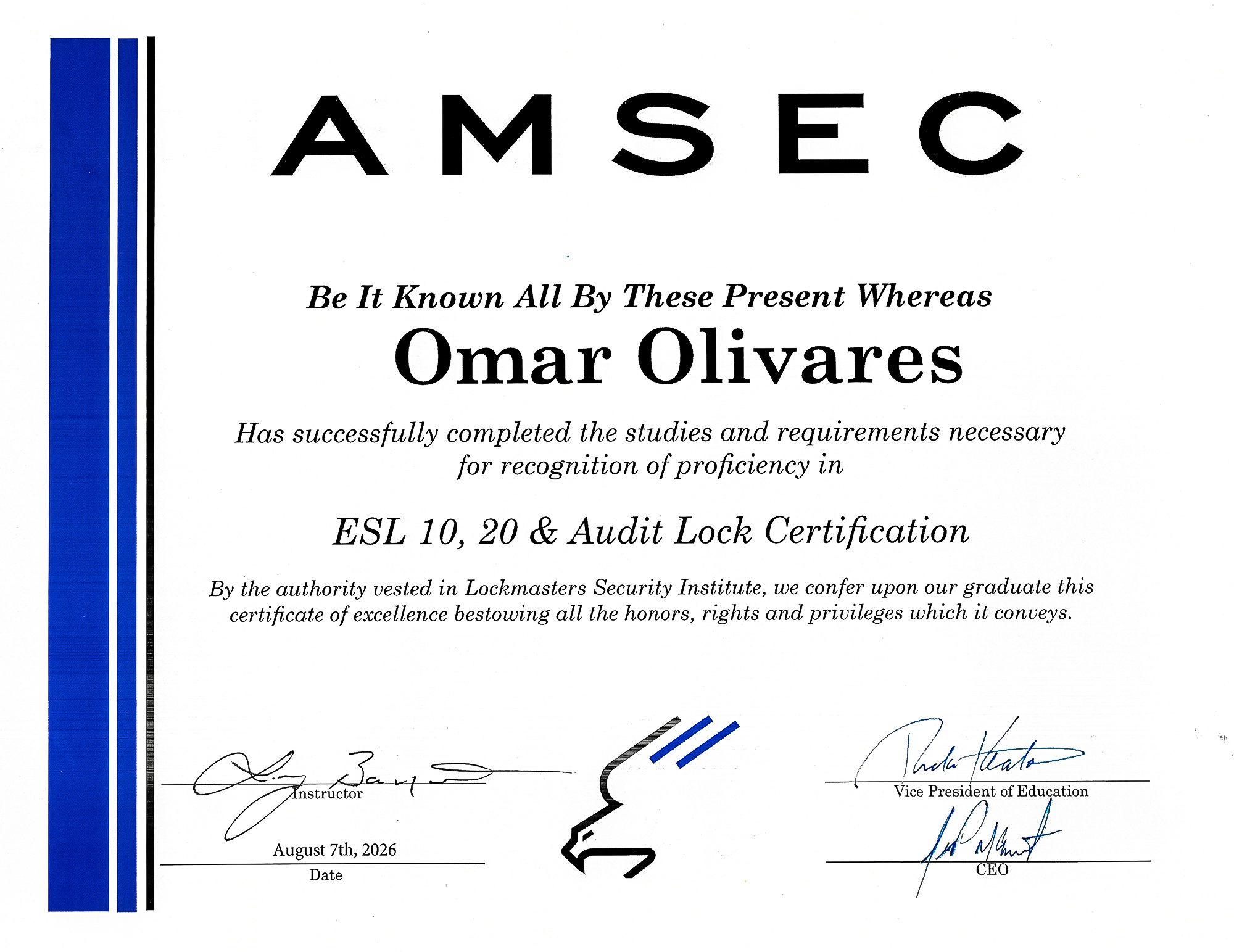
AMSEC Factory Certified
TX DPS Licensed #B16845501
Insured

Certified Safe Technician · San Antonio, TX

Safe Opening in San Antonio — By a Certified Safe Technician

Forgot the combination? Dead keypad? Inherited a safe nobody has the code for? We open residential safes and gun safes without destroying them, then repair the lock so your safe keeps working.

One call, one photo, and you’ll know what it takes and what it costs.

Certified Safe Technician
AMSEC Factory Certified
TX DPS Licensed #B16845501
Insured
How to get a Quote?

One call. One photo. Your price before anyone drives out to you.

Most safe companies won’t give you a number until they’re standing in your living room. We do it over the phone, at no charge.

1

You call

We ask four quick questions: is the lock a keypad or a dial, is there a brand name anywhere on the safe, is it freestanding or set into a floor or wall, and what exactly is it doing right now.

2

You send one photo

Text it to the same number while we're on the line. There are thousands of safe models out there and plenty carry no brand name at all. One photo tells us more in two seconds than ten minutes of describing it.

3

You get your estimate

What's most likely wrong, whether it can be opened without drilling, what it costs, and when we can be there.

Anyone can drill a hole. Very few people in Texas are certified to open a safe properly.

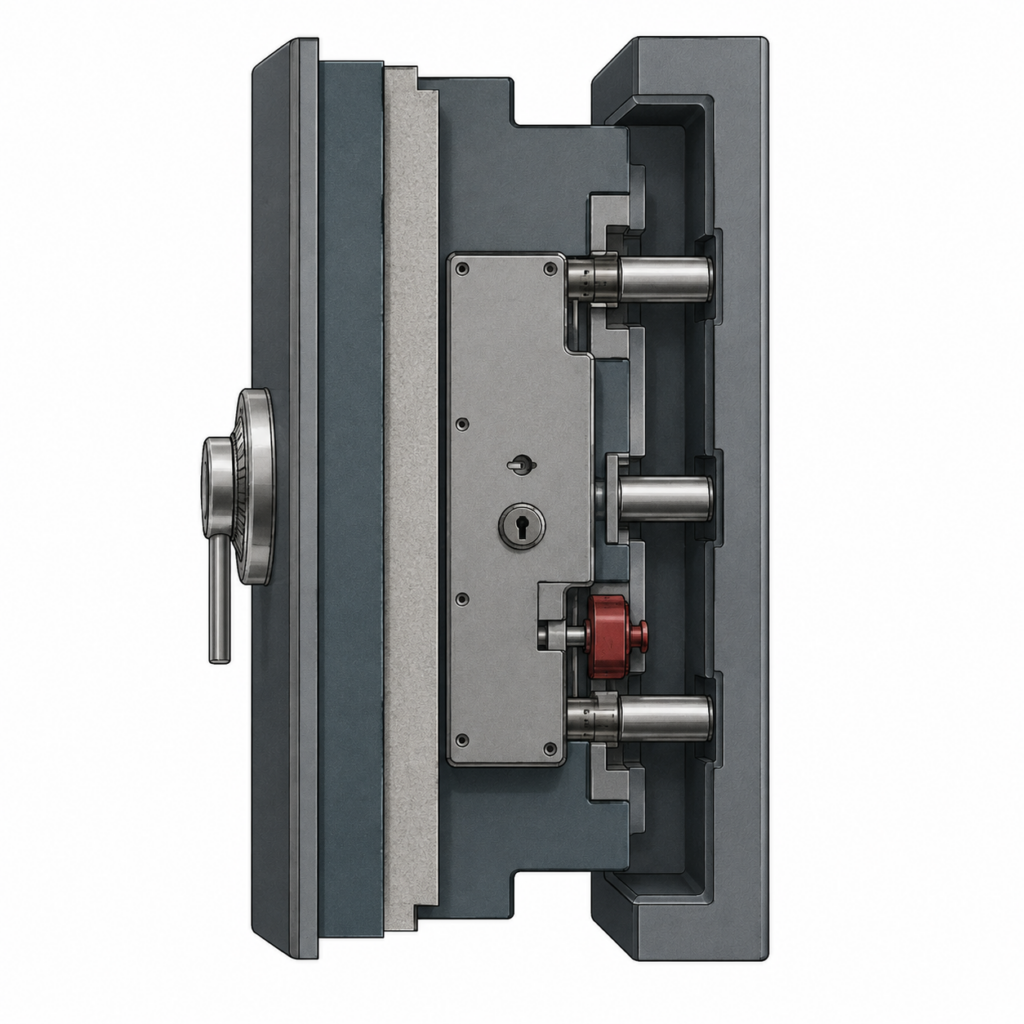
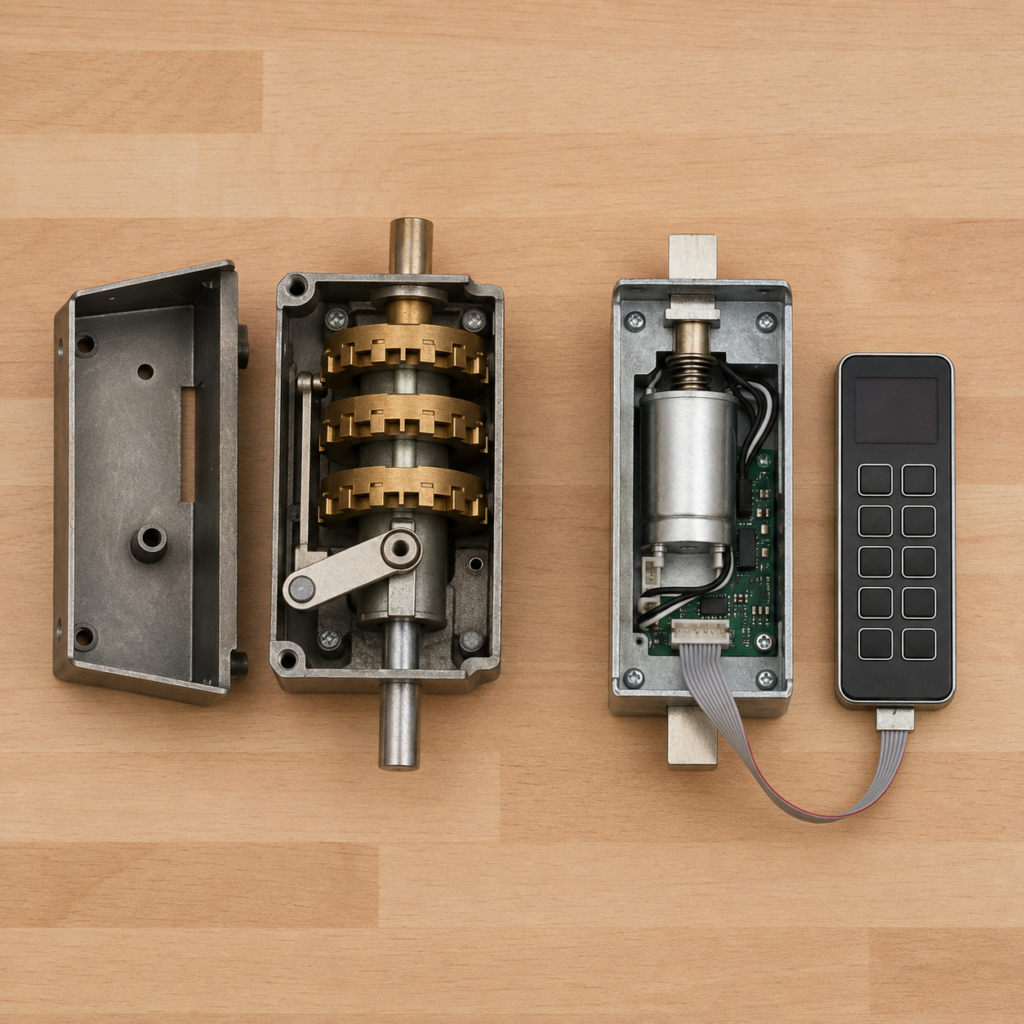
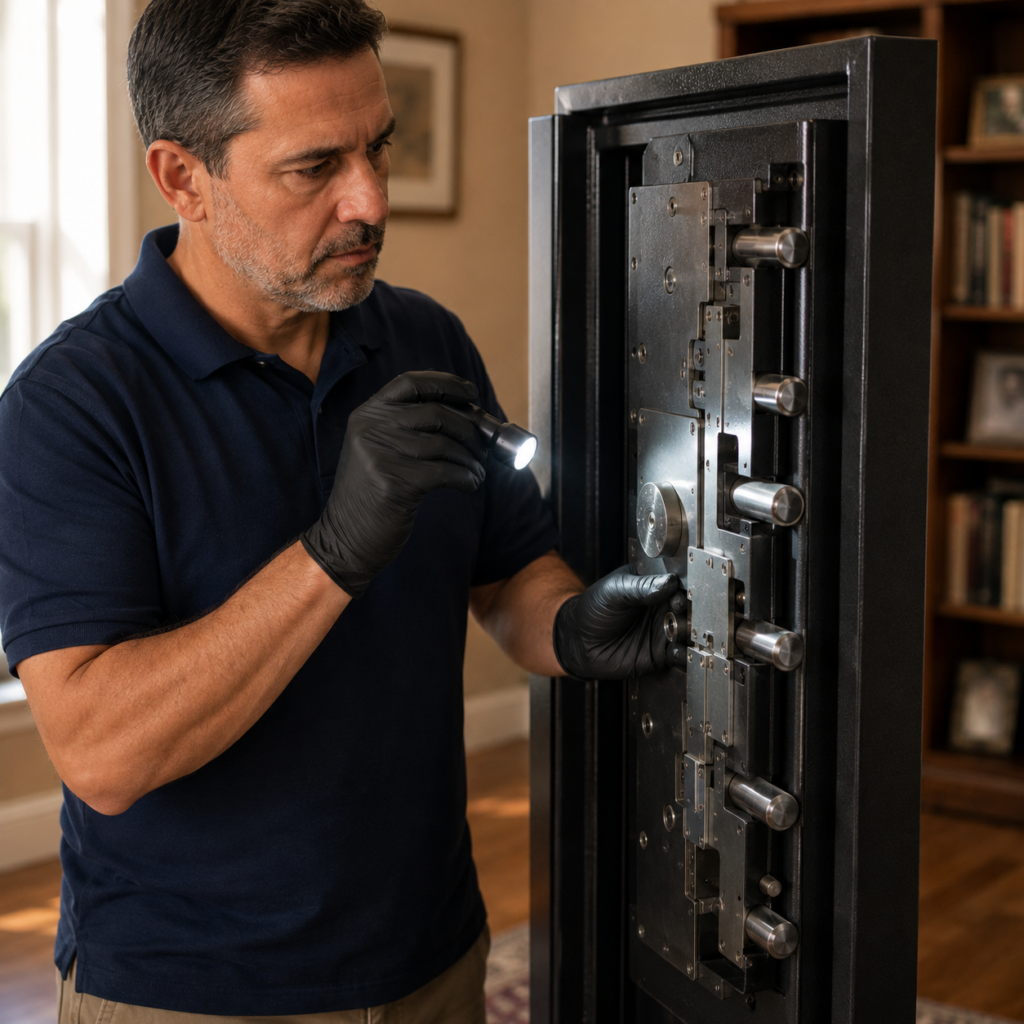
Safe work isn’t lock picking. Every model has its own internal geometry: where the lock body sits, how it’s mounted, and where the relockers are hiding. Drill in the wrong place and you trip a glass relocker that seals the door permanently. At that point the safe is scrap, and whatever was inside is scrap with it.

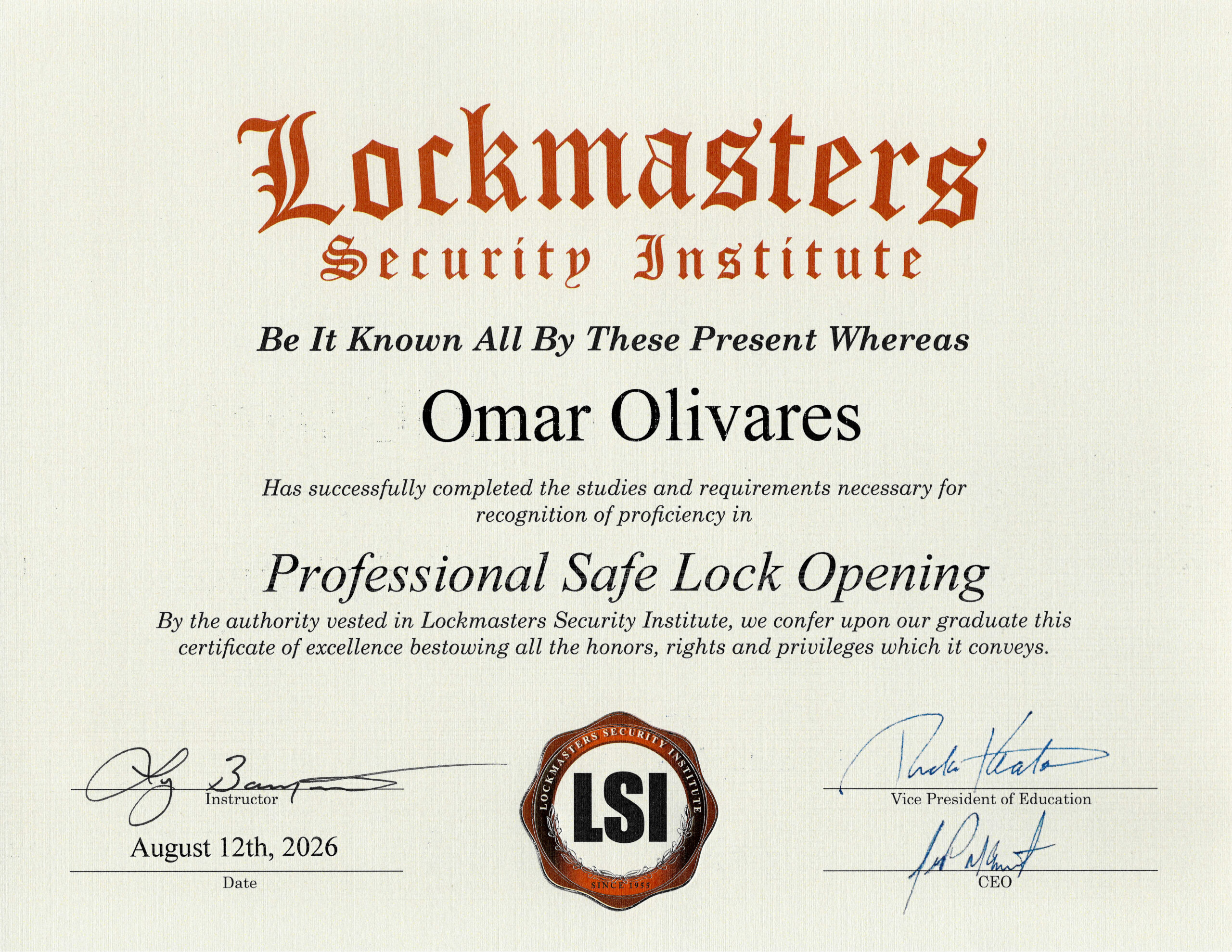
That’s why real safe certification is genuinely hard to come by. You have to be a U.S. citizen with a clean background record to be admitted at all. The specialty tools are registered to the technician by name. Even the reference literature isn’t sold to the general public.

We completed that training and hold factory certification from American Security (AMSEC), one of the most respected safe manufacturers in the country.

Before you let anyone touch your safe, ask two questions: what’s your Texas license number, and where were you certified in safe work? A real technician answers both immediately.

What nobody tells you

The mistake that turns a $2,000 safe into scrap metal

Higher grade safes carry a security certification. That certification is what allows your insurance carrier to cover the contents.

Drill one incorrectly and two things happen at once. The safe can no longer be certified, and your carrier can no longer cover what’s inside it. Now you’re buying a replacement safe and paying to install it — and the contents were sitting uninsured the whole time it stood open.

This is the most expensive mistake in our trade, and it’s made almost exclusively by people who advertise safe opening without being trained in it. A quote that sounds too cheap usually means someone is planning to drill first and think later.

Before you let anyone touch your safe, ask two questions: what’s your Texas license number, and where were you certified in safe work? A real technician answers both immediately.

What's your safe doing?

Find your situation below. Every one of these is fixable, and most are more common than you'd think.

Most safe companies won’t give you a number until they’re standing in your living room. We do it over the phone, at no charge.

You forgot the combination

More often than you'd expect, the combination is right and the rotations are wrong. A dial lock needs a specific number of full turns between numbers — four left, three right, two left. Miss one and the correct combination simply won't work. We've opened safes on the first attempt once the rotations were corrected.

The keypad is dead or unresponsive

Sometimes it's just the batteries. Sometimes the solenoid has failed or the keypad has lost its connection to the lock body. We'll tell you which one you're dealing with before anyone drives out.

The mechanical dial is jammed or worn

Dial locks are more reliable than electronic ones, but they still wear. Wheels drift out of alignment, the drive cam sticks, and eventually the correct combination stops retracting the bolt.

Someone passed away and nobody has the code

We work with families and executors across Bexar County. We'll ask for documentation — that protects you as much as it protects us — and we can provide a written record of the opening for the estate if you need one.

You lost the key or the override key

Many safes have a key override alongside the combination. When both are gone, the lock still has to be opened the same way, and it's routine work.

The handle turns but the door won't open

That usually means the lock has released but the bolt work is binding, or a relocker has tripped. It's a different problem than a failed lock, and it's fixable.

Not sure which one it is? That’s what the free quote is for. Call (210) 216-3000

Every kind of safe we work on

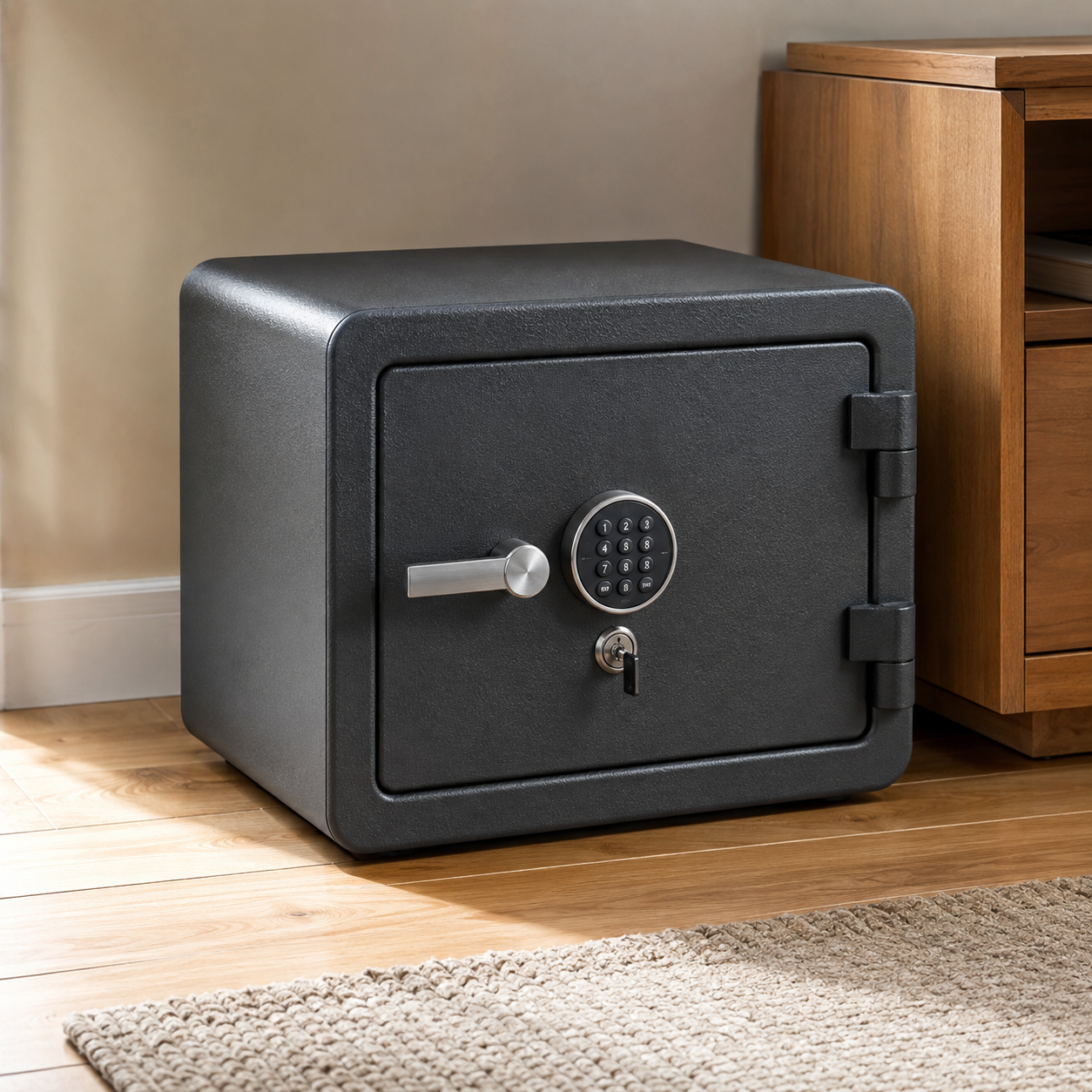
Gun safes

Liberty, Cannon, Browning, Fort Knox, Winchester and most other major brands. Dead keypads and forgotten combinations are the two calls we get most.

Fire & document safes

Built to survive heat, which also means heavier plate and a lock that has to be approached carefully.

Home safes

Digital, dial, biometric and key override models, from closet units to bolt down boxes.

Jewelry safes

Residential units where the contents matter more than the box. Opened without cosmetic damage wherever possible.

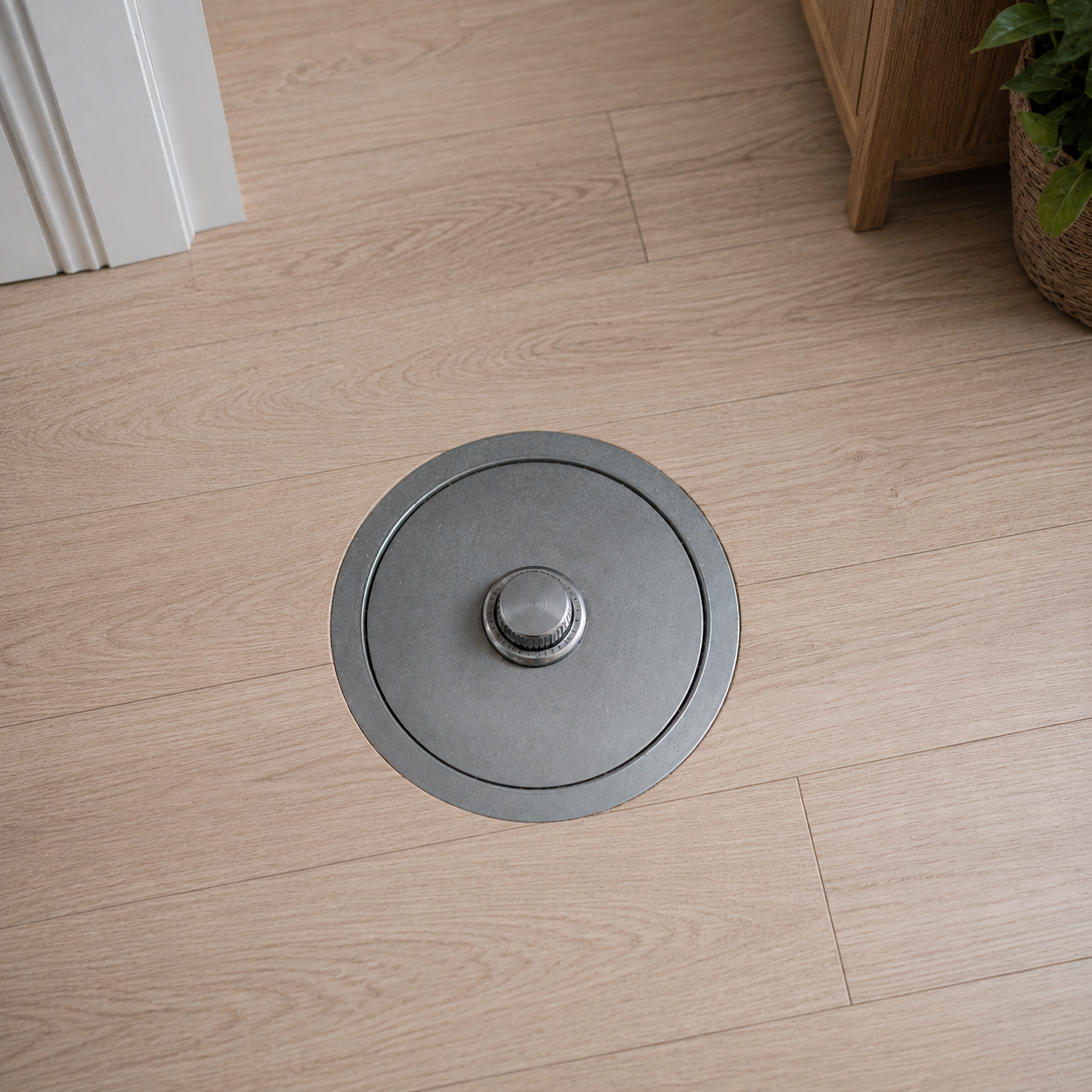
Floor safes

Set into the slab, often found during a remodel with nobody left who knows the combination.

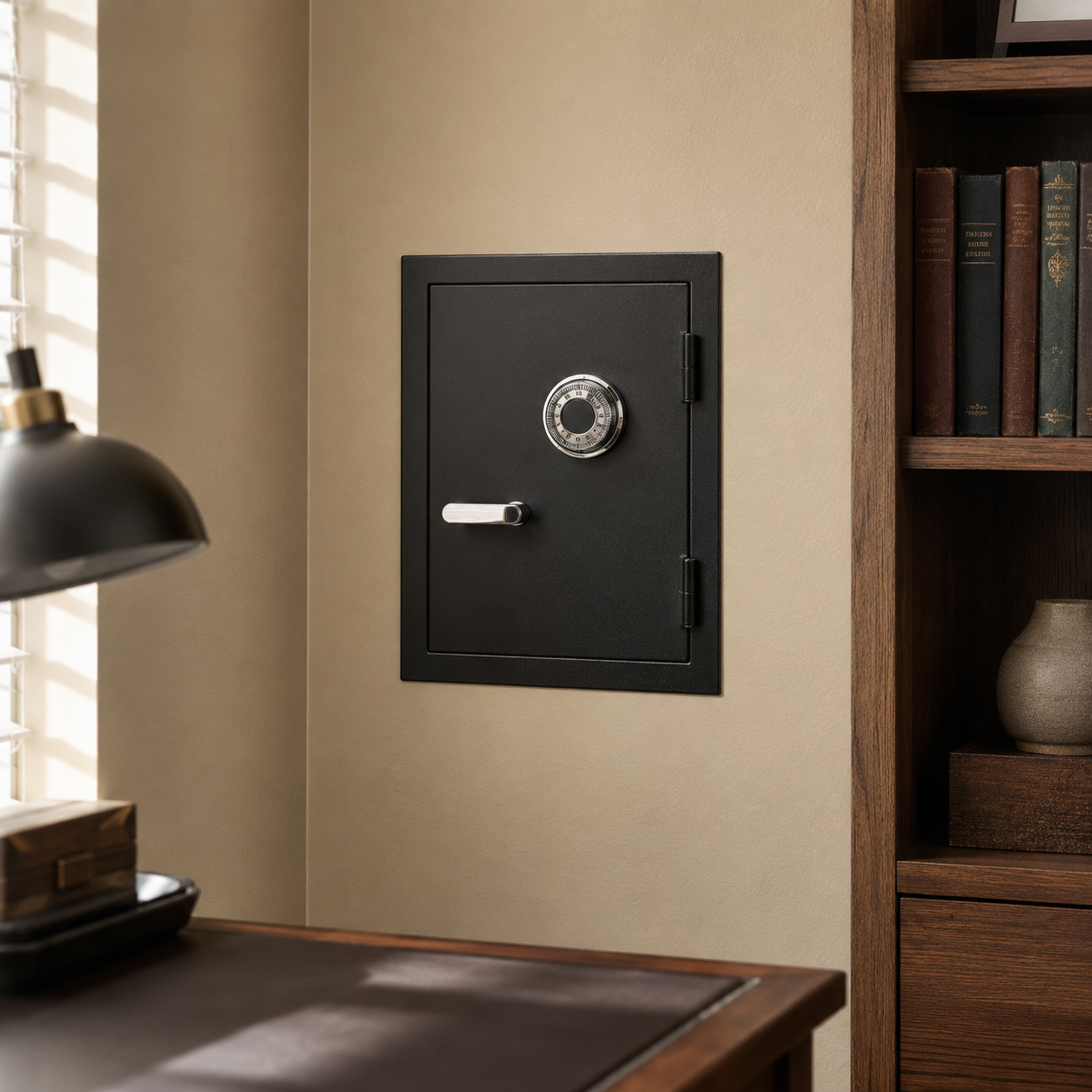
Wall safes

Concealed and builder-installed units, including the ones that came with the house.

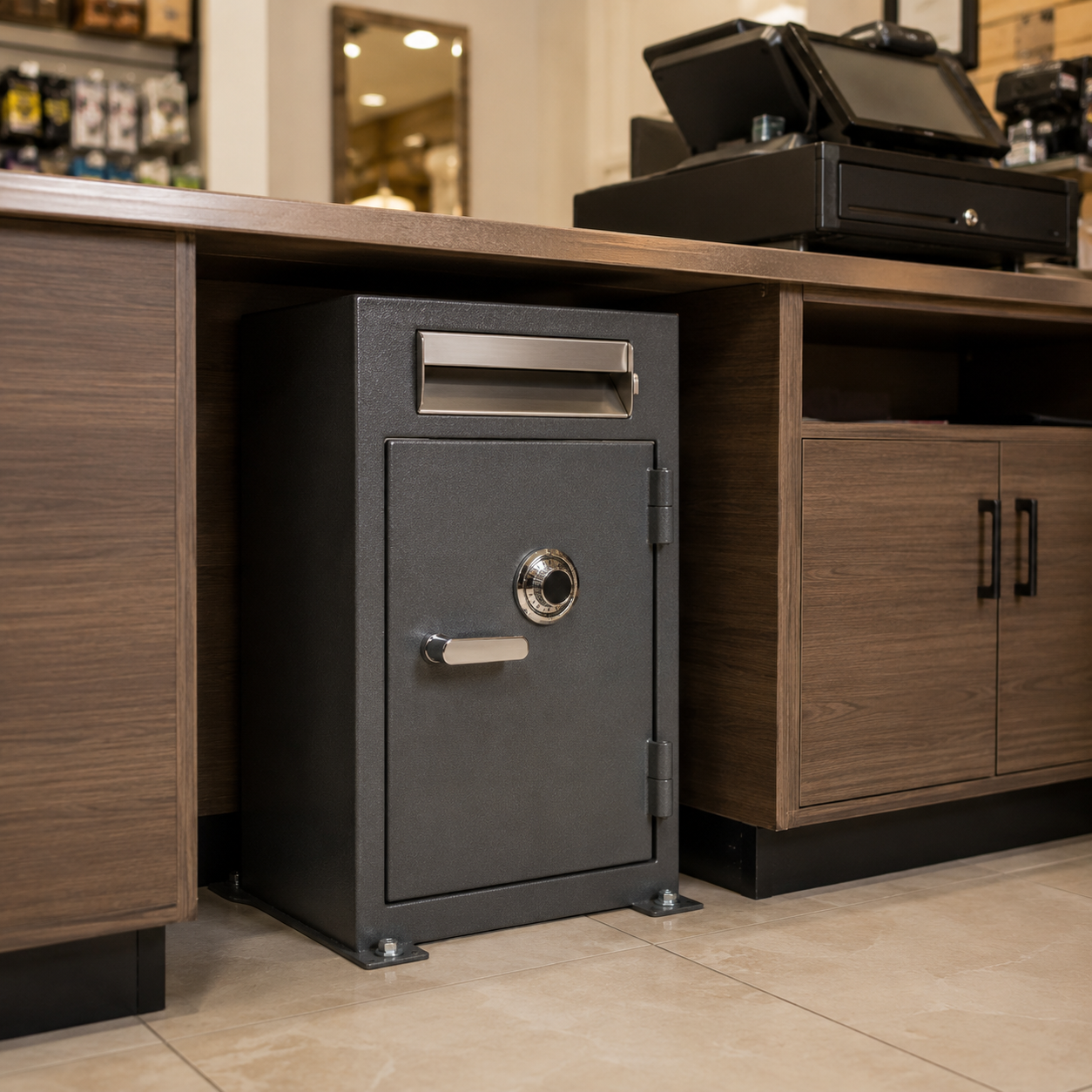
Drop & depository safes

Small business cash-handling units. Opening, lock replacement and combination changes.

Antique & unbranded safes

Plenty of safes carry no maker's mark at all. Send a photo and we'll identify what we're looking at.

Brands we open, service and repair

And plenty that carry no brand name at all. If yours isn’t listed, send a photo — we’ll identify it.

We hold factory certification from American Security (AMSEC) 

What actually happens when we open a safe

01

We identify the lock

Manufacturer, model, lock type, and how it's mounted — horizontal, vertical, facing up or facing down. Everything after this depends on getting it right.

02

We try to open it without drilling

Manipulation, decoding and factory override procedures where they exist. Plenty of safes come open with no hole in them at all.

03

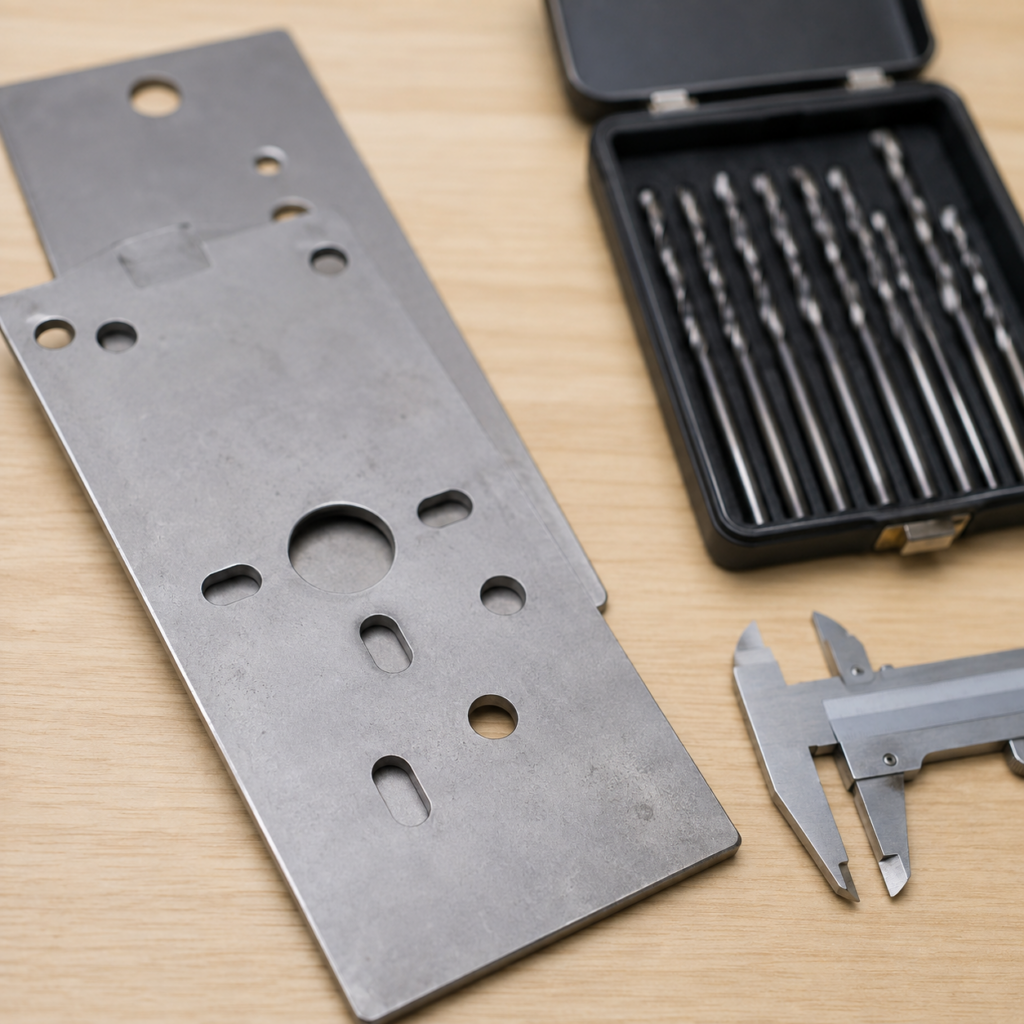
If drilling is required, we use manufacturer templates

These are precision guides showing exactly where the lock body sits behind the door and where the relockers are. This is the part that separates a certified technician from somebody with a drill and an opinion

04

It's a quarter-inch hole, not a cut-open door

We work the lock through that hole and open it. Then a steel plug goes into the hole under pressure, metal filler over the top, and the surface is finished flush. On most safes the repair sits behind the dial or the keypad, which means you won't see it at all.

05

We install a new lock and set your combination

Before we leave, the safe locks and unlocks properly, and we show you how to change the combination yourself.

What we guarantee — and what we won't promise

We guarantee we won’t destroy your safe. Opening it is the job. Wrecking it isn’t.

The hole is plugged, filled and finished. On most safes it ends up hidden behind the dial or keypad.

When a lock has to be replaced, the new lock carries its manufacturer’s warranty — and we tell you which lock we’re fitting before we fit it.

The final number we quote is the number you pay, as long as the safe matches the photo you sent.

What we won’t promise:
That every safe can be opened without drilling. Some can’t. We’ll tell you which one yours is before we start, not after.

Why some safe owners are going back to mechanical dials

Electronic keypads are fast and easy to reprogram, but they run on batteries and depend on electronics that can eventually fail. Mechanical dials don’t have either problem — no battery to die, no circuit board to short out. They’re slower to use and easier to forget, but once set, they simply don’t stop working.

We convert locks in both directions and we’ll explain the tradeoff before you decide. This is a decision, not an upsell.

We convert locks in both directions and we’ll explain the tradeoff before you decide. This is a decision, not an upsell.

You inherited a safe and nobody knows the combination

When a parent passes, the safe is often the last locked door in the house. Sometimes it’s paperwork nobody can find. Sometimes it’s a firearm that has to be accounted for. Sometimes nobody has any idea and that’s the whole problem.

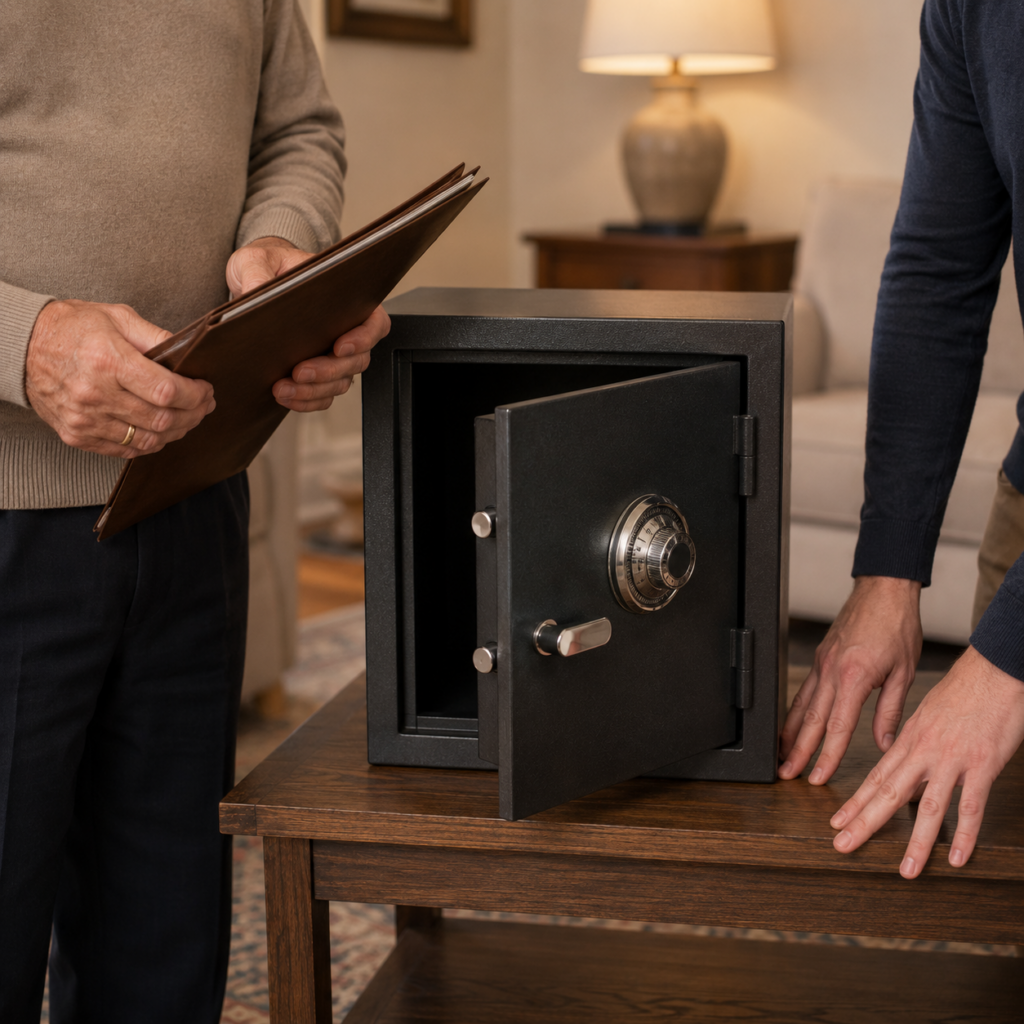
We work with families and executors across Bexar County. We’ll ask for documentation before we open anything — your ID and something establishing your claim, like a deed, a death certificate or letters testamentary. That requirement protects you far more than it protects us.

We open it without destroying it, repair the lock, and hand it back working with a combination you choose. If the estate needs a written record of the opening, we’ll provide one.

Your gun safe won't open

Dead keypad. Forgotten combination. Handle turns but the bolts won’t retract. Battery replaced and nothing changed. These are the four calls we get, roughly in that order.

We open Liberty, Cannon, Browning, Fort Knox, Winchester and most other major brands, and we’re factory certified by American Security. Because we’re licensed and insured, everything about the job is documented and handled properly from start to finish.

Most gun safes are worth considerably more than the service call. Getting one drilled by somebody without training is how a $2,500 safe becomes a $2,500 problem.

Military City, USA — we serve the people who serve

A PCS move with a safe that has to travel. A deployment and a combination nobody wrote down. A service member’s estate. An inherited service weapon locked behind a dead keypad. We see all of these.

10% off for active duty, veterans and their families.
Just mention it when you call.

Licensed, certified, and locally accountable

We’ve been serving San Antonio homeowners and businesses for years — not a call center routing your job to whoever answers. Our safe work is backed by formal certification and factory training, and our Texas license number is on this page for you to check.

Business safe service in San Antonio

Where we work

We’re based on Culebra Rd and cover San Antonio and the surrounding area. Nearly all safe work is done on site — safes are heavy and most are bolted down or built in, so we come to you.

Central San Antonio
Northwest San Antonio
Stone Oak
Alamo Heights
Helotes
Leon Valley
Converse
Universal City
Schertz
Cibolo
Live Oak
Selma
Castroville
Seguin
New Braunfels

Hours

Monday through Friday, 8:30am to 5:00PM. Safe work is precision work and it goes better in daylight with a full set of tools, so that’s when we do it. After hours and Weekends appointments are available by arrangement at a higher rate — call and we’ll work something out.

Frequently asked questions

How much does it cost to open a safe in San Antonio?

It depends on the safe and the lock, which is exactly why we quote before we drive out. Call us, send one photo, and you’ll have a real estimate at no charge.

Opening your safe is the job; wrecking it isn’t. Plenty of safes come open with no drilling at all. When drilling is necessary it’s a quarter inch hole in a specific location, and we repair it afterward.

Often, yes. Whether we can depends on the lock type, the manufacturer and what’s actually failed. We’ll tell you which category your safe falls into during the free quote — before we start, not after.

Yes, and you should want us to. We’ll ask for your ID and something connecting you to the safe or the property: a deed, a lease, a purchase record, or letters testamentary if it’s an estate. Any legitimate safe technician asks for this. If someone doesn’t, that tells you something about them.

There are thousands of safe models in circulation and a great many carry no brand name at all. A photo tells us the lock type and the manufacturer in a couple of seconds. Without it we’d be guessing, and a guessed price is no use to either of us.

Sometimes, and we’ll be straight with you either way. Many department store safes use proprietary plastic lock bodies that can’t be replaced once drilled — we can open the safe, but the lock usually can’t be restored. If the service would cost more than the safe is worth, we’ll tell you on the phone rather than after we’ve arrived.

Yes, in both directions. It’s a common request. We’ll walk you through what you gain and give up with each before you decide.

Not at the moment — we open, service and repair them. If you want a recommendation on what to buy, we’re happy to point you in a sensible direction with no commission involved.

Yes. Nearly all safe work happens on site, since safes are heavy and most are bolted down or built into the structure.

Our regular hours are Monday to Friday, 8:30am to 5:00pm. After hours, weekends and holidays work is available by arrangement at a higher rate. Safe work is precision work, so unless it’s genuinely time sensitive we’ll usually suggest the next working day and do it properly.

Most residential openings are finished in under an hour once we’re on site. More complicated locks and hard plate safes take longer, and we’ll tell you what to expect when we quote.

Yes. We hold Texas DPS locksmith license #B16845501 and carry liability insurance, which is required to operate in Texas. We’re also formally certified in safe opening and factory certified by American Security. Ask any safe company for both things — a license number and where they were trained specifically in safe work.

Our only phone number is (210) 216-3000 and our license number is #B16845501, which you can verify with the Texas Department of Public Safety. If you come across a listing using our name or our license number with a different phone number attached, it isn’t us.

Still looking at a safe that won't open?

Call us and send one photo. And you’ll know what it takes and what it costs.

Monday–Friday 8:30am to 5:00pm